The Internet of Things (IoT): Connecting the World Through Smart Technology
By Newpedia
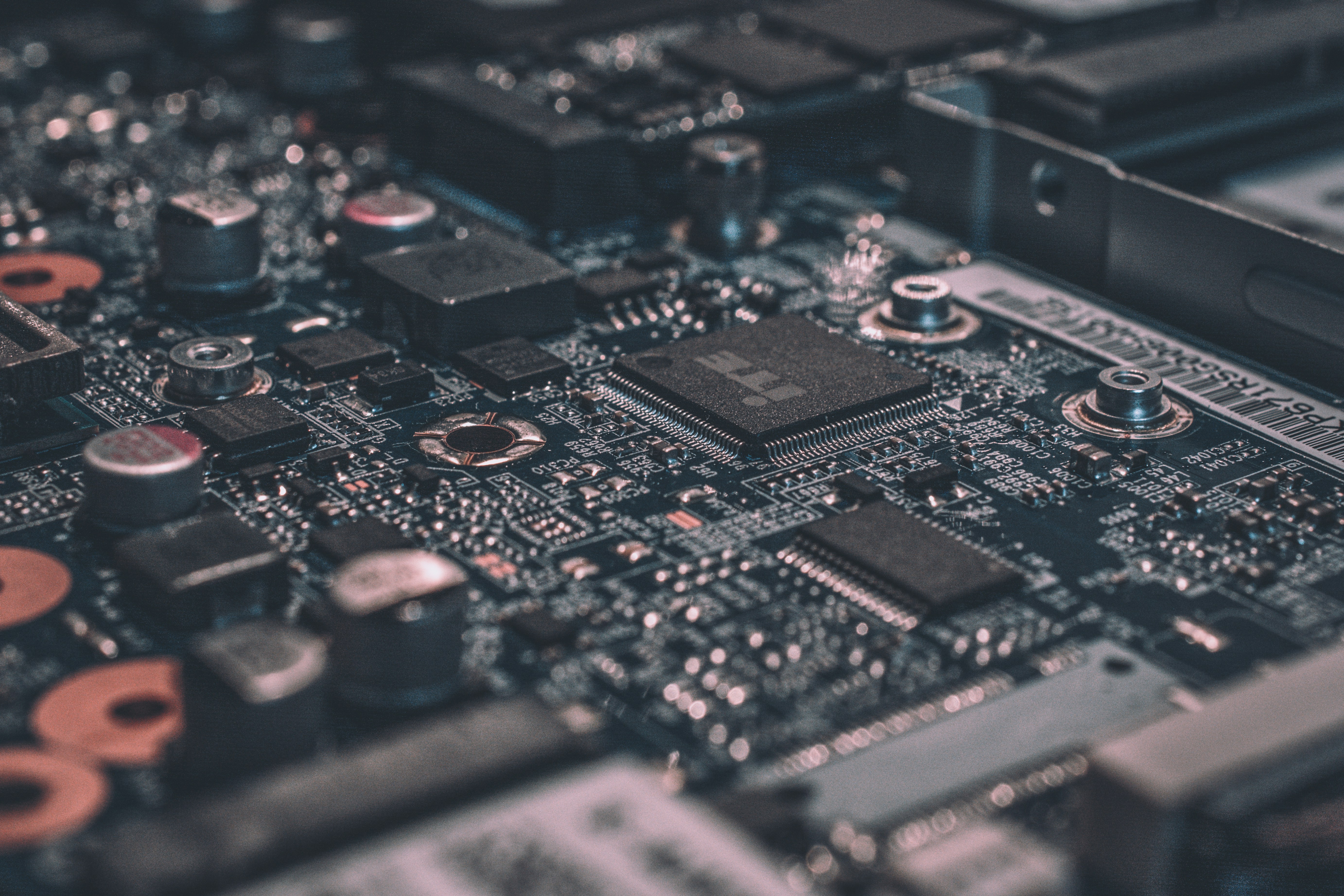
The Internet of Things (IoT) is transforming how people interact with technology. By connecting everyday objects to the internet, IoT enables devices to collect, exchange, and analyze data in real time. From smart homes and wearable devices to industrial automation, IoT is reshaping modern life.
At Newpedia, we examine how IoT works, its applications, benefits, challenges, and future potential in a connected world.
1. What Is the Internet of Things?
The Internet of Things refers to a network of physical devices embedded with sensors, software, and connectivity that allows them to communicate with each other and with cloud systems. These devices can range from household appliances to complex industrial machinery.
IoT enables automation, improves efficiency, and provides valuable insights through data-driven decision-making.
2. How IoT Works
IoT systems consist of four main components: sensors, connectivity, data processing, and user interfaces. Sensors collect data, connectivity transmits it, processing analyzes it, and interfaces allow users to interact with the system.
Cloud computing and edge computing play a crucial role in managing and processing IoT data efficiently.
3. IoT in Smart Homes
Smart homes are one of the most common applications of IoT. Devices such as smart thermostats, lighting systems, and security cameras allow homeowners to control their environment remotely.
These systems improve comfort, enhance security, and reduce energy consumption.
4. Industrial IoT (IIoT)
In industries, IoT improves operational efficiency through predictive maintenance, real-time monitoring, and automation. Sensors detect equipment issues before failures occur, reducing downtime and costs.
Manufacturing, logistics, and energy sectors benefit significantly from IIoT solutions.
5. Healthcare and Wearable Technology
IoT-enabled wearables monitor vital signs such as heart rate, activity levels, and sleep patterns. Healthcare providers use this data for early diagnosis and personalized treatment.
Remote patient monitoring enhances access to healthcare services and improves patient outcomes.
6. Security and Privacy Challenges
While IoT offers numerous benefits, it also raises concerns about data privacy and cybersecurity. Connected devices can be vulnerable to attacks if not properly secured.
Strong encryption, regular updates, and secure network design are essential for protecting IoT systems.
7. The Future of IoT
The future of IoT is closely linked with AI, 5G networks, and edge computing. These technologies will enable faster communication, smarter devices, and more autonomous systems.
IoT will continue to expand into smart cities, agriculture, transportation, and environmental monitoring.
Conclusion
The Internet of Things is creating a connected ecosystem that enhances efficiency, convenience, and innovation. As IoT technology evolves, its impact on society will continue to grow.
Newpedia remains committed to providing clear and insightful coverage of emerging technologies shaping the future.